Canterbury scene, from the outside in. Each step is a genre and the single record this encyclopedia would put on first. Play them in this order and the last one should sound like a next step rather than a wall.
- 1 The way in
Rock 1954
The whole family: guitar, bass, drums and a beat borrowed from blues and rhythm and blues. Every branch below grows out of this trunk, metal included.
Sung. Melodic singing throughout.
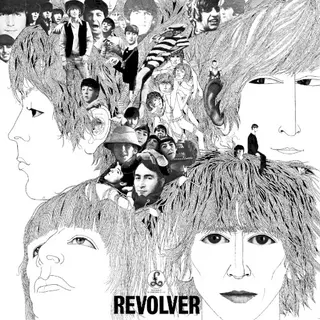
Put on
The Beatles - Revolver, if you want to understand why everything branched so fast.
The Beatles, Revolver (1966) - 2 Then
Progressive rock 1968
Rock with classical ambitions: odd meters, twenty-minute suites, mellotron. The direct foundation of progressive metal.
Sung. Melodic singing throughout.
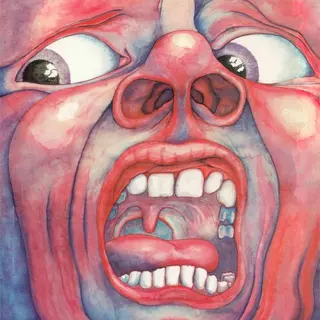
Put on
King Crimson - In the Court of the Crimson King. The first track tells you everything.
King Crimson, In the Court of the Crimson King (1969) - 3 What you asked about
Canterbury scene 1968
Prog with jazz harmony and dry English humour. Looser and stranger than its symphonic neighbours.
Sung. Melodic singing throughout.
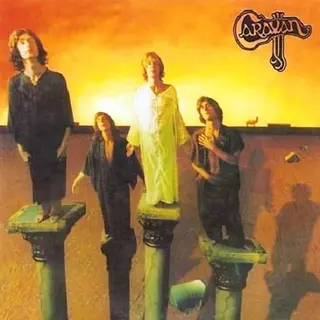
Put on
Caravan - In the Land of Grey and Pink. Prog that doesn't take itself seriously, and lasts because of it.
Caravan, Caravan (1969) - 4 Where to go next
Lo-fi / slacker rock 1992
Recorded on a four-track cassette with the hiss left in deliberately. Indifference as a method.
Sung. Melodic singing throughout.
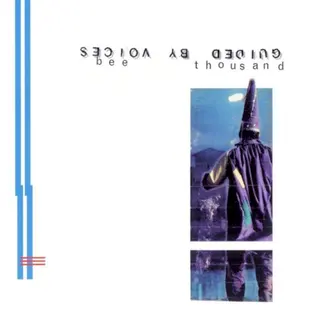
Put on
Guided by Voices - Bee Thousand. Twenty songs, most under two minutes.
Guided by Voices, Bee Thousand (1994)
Assembled from the tree: every genre Canterbury scene descends from, in order. Canterbury scene has no subgenres, so the last step is the genre that rates closest to it by sound.