Neo-psychedelia, from the outside in. Each step is a genre and the single record this encyclopedia would put on first. Play them in this order and the last one should sound like a next step rather than a wall.
- 1 The way in
Rock 1954
The whole family: guitar, bass, drums and a beat borrowed from blues and rhythm and blues. Every branch below grows out of this trunk, metal included.
Sung. Melodic singing throughout.
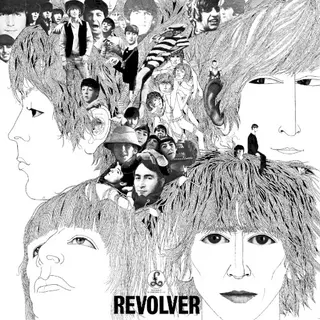
Put on
The Beatles - Revolver, if you want to understand why everything branched so fast.
The Beatles, Revolver (1966) - 2 Then
Psychedelic rock 1966
Effects, sitar, feedback and songs that fall apart halfway through. The lab that produced prog, space rock and, indirectly, doom.
Sung. Melodic singing throughout.
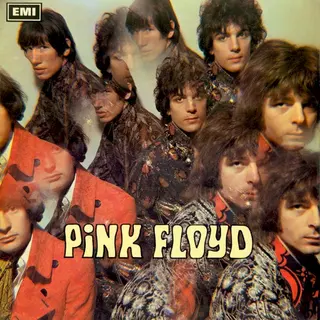
Put on
Pink Floyd - Interstellar Overdrive. Ten minutes that explain half this tree.
The pick names a track. This is the record the encyclopedia holds by them.
Pink Floyd, The Piper at the Gates of Dawn (1967) - 3 What you asked about
Neo-psychedelia 1980
Psychedelia retold by every new generation, with digital studios and rather less mysticism.
Sung. Melodic singing throughout.
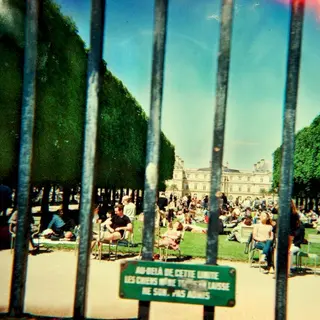
Put on
Tame Impala - Lonerism. One man, a bedroom studio, a stadium sound.
Tame Impala, Lonerism (2012) - 4 Where to go next
Gothic rock 1979
Post-punk with reverb, chorused guitar and a baritone voice. Its aesthetic passes straight into gothic metal and doom.
Sung. Melodic singing throughout.
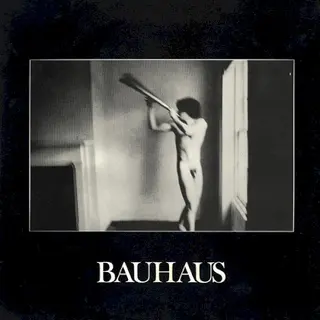
Put on
Bauhaus - Bela Lugosi's Dead. Nine minutes that founded an entire subculture.
The pick names a track. This is the record the encyclopedia holds by them.
Bauhaus, In the Flat Field (1980)
Assembled from the tree: every genre Neo-psychedelia descends from, in order. Neo-psychedelia has no subgenres, so the last step is the genre that rates closest to it by sound.