Technical death metal, from the outside in. Each step is a genre and the single record this encyclopedia would put on first. Play them in this order and the last one should sound like a next step rather than a wall.
- 1 The way in
Heavy metal 1970
It split off from hard rock and blues rock when Black Sabbath tuned down and wrote riffs on the tritone. Volume, riff and a code of its own - every branch below starts here.
Sung. Melodic singing throughout.
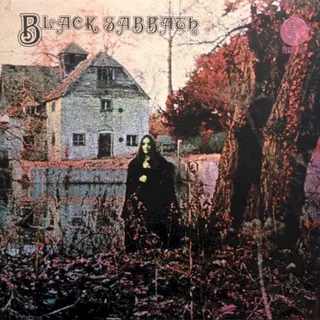
Put on
Black Sabbath - the song Black Sabbath. The first thirty seconds are the genre's birth certificate.
Black Sabbath, Black Sabbath (1970) - 2 Then
Death metal 1985
Guttural vocals, low tunings, blast beats and tremolo picking. Thrash pushed past the limit of legibility, with two founding schools: Florida and Stockholm.
Growled or shrieked. Unintelligible without a lyric sheet. The thing most newcomers bounce off.
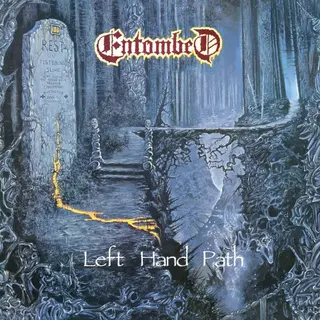
Put on
Entombed - Left Hand Path. The first twenty seconds explain the entire Swedish sound.
Entombed, Left Hand Path (1990) - 3 What you asked about
Technical death metal 1991
Death metal with jazz harmony, tapping and impossible drumming. The more notes per second, the better.
Growled or shrieked. Unintelligible without a lyric sheet. The thing most newcomers bounce off.
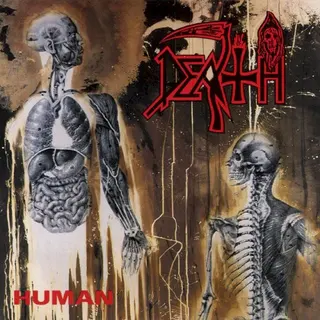
Put on
Death - Human. The moment the genre became music to study, not just to hear.
Death, Human (1991) - 4 Where to go next
Teutonic thrash 1984
The German version: dirtier, faster and much closer to what would become death and black metal.
Shouted. Barked or chanted, and you can still make out the words.
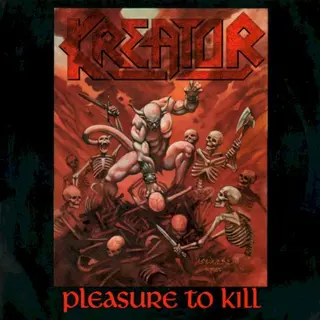
Put on
Kreator - Pleasure to Kill. The point where thrash becomes death metal without announcing it.
Kreator, Pleasure to Kill (1986)
Assembled from the tree: every genre Technical death metal descends from, in order. Technical death metal has no subgenres, so the last step is the genre that rates closest to it by sound.