Zeuhl, from the outside in. Each step is a genre and the single record this encyclopedia would put on first. Play them in this order and the last one should sound like a next step rather than a wall.
- 1 The way in
Rock 1954
The whole family: guitar, bass, drums and a beat borrowed from blues and rhythm and blues. Every branch below grows out of this trunk, metal included.
Sung. Melodic singing throughout.
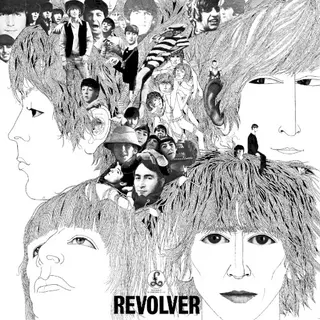
Put on
The Beatles - Revolver, if you want to understand why everything branched so fast.
The Beatles, Revolver (1966) - 2 Then
Psychedelic rock 1966
Effects, sitar, feedback and songs that fall apart halfway through. The lab that produced prog, space rock and, indirectly, doom.
Sung. Melodic singing throughout.
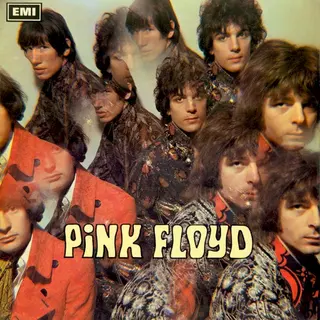
Put on
Pink Floyd - Interstellar Overdrive. Ten minutes that explain half this tree.
The pick names a track. This is the record the encyclopedia holds by them.
Pink Floyd, The Piper at the Gates of Dawn (1967) - 3 Then
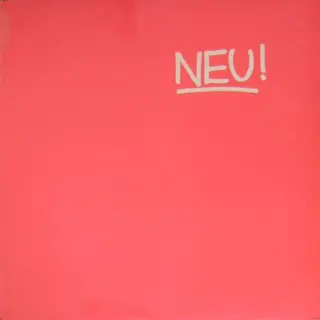
Krautrock 1968
A tireless motorik beat, studio improvisation and a refusal of the chorus. It shaped post-punk, post-rock and electronic music.
Instrumental. Usually no vocals at all.
- 4 What you asked about
Zeuhl 1970
Operatic rock sung in an invented language, with fretless bass and choir. A tiny French branch with fanatical disciples.
Sung. Melodic singing throughout.
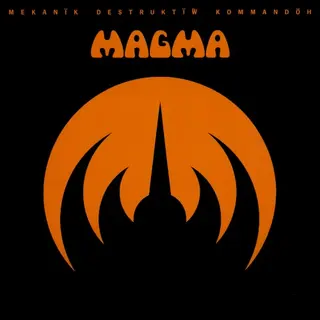
Put on
Magma - Mekanïk Destruktïw Kommandöh. It resembled nothing then and resembles nothing now.
Magma, Mekanïk Destruktïw Kommandöh (1973) - 5 Where to go next
Anarcho-punk 1979
Total political punk: collectives, self-releasing and militant pacifism. It laid down the DIY ethic the underground still runs on.
Shouted. Barked or chanted, and you can still make out the words.
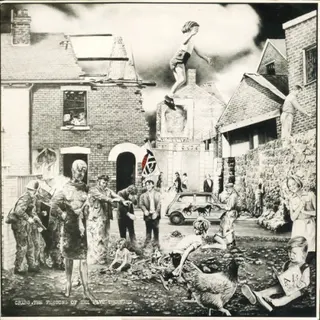
Put on
Crass - The Feeding of the 5000. Not pleasant listening, and never meant to be.
Crass, The Feeding of the 5000 (1978)
Assembled from the tree: every genre Zeuhl descends from, in order. Zeuhl has no subgenres, so the last step is the genre that rates closest to it by sound.