Indie pop / twee, from the outside in. Each step is a genre and the single record this encyclopedia would put on first. Play them in this order and the last one should sound like a next step rather than a wall.
- 1 The way in
Rock 1954
The whole family: guitar, bass, drums and a beat borrowed from blues and rhythm and blues. Every branch below grows out of this trunk, metal included.
Sung. Melodic singing throughout.
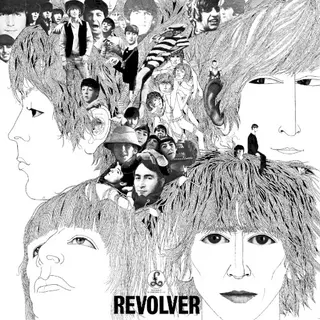
Put on
The Beatles - Revolver, if you want to understand why everything branched so fast.
The Beatles, Revolver (1966) - 2 Then
Alternative rock 1985
An umbrella for everything that grew outside commercial radio and then conquered it. Defined originally by the college-radio network, not by any one sound.
Sung. Melodic singing throughout.
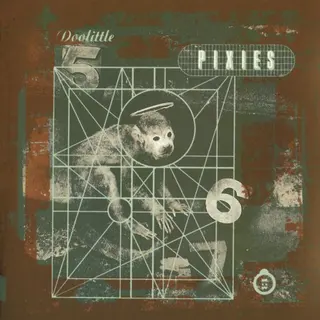
Put on
Pixies - Doolittle. Cobain admitted he was simply trying to write a Pixies song.
Pixies, Doolittle (1989) - 3 Then
Indie rock 1985
Originally an economic description - independent labels - that hardened into an aesthetic: modest production and total freedom.
Sung. Melodic singing throughout.
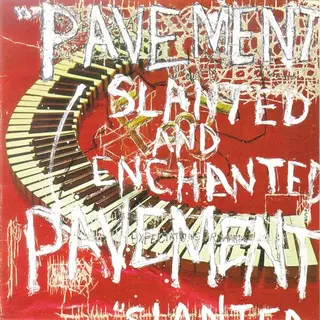
Put on
Pavement - Slanted and Enchanted. Studied indifference, excellent songs.
Pavement, Slanted and Enchanted (1992) - 4 What you asked about
Indie pop / twee 1986
Sweet melodies, shy vocals, clean guitars. The gentle reaction to rock machismo.
Sung. Melodic singing throughout.
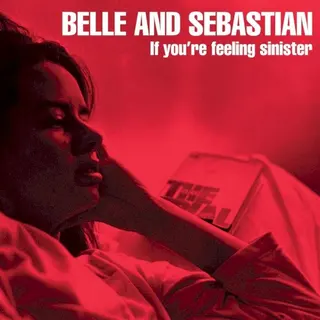
Put on
Belle and Sebastian - If You're Feeling Sinister. Recorded in three days on a student budget.
Belle and Sebastian, If You're Feeling Sinister (1996) - 5 Where to go next
Jangle pop 1980
Clean, chiming Rickenbacker guitars and melody everywhere. The building block of indie rock.
Sung. Melodic singing throughout.
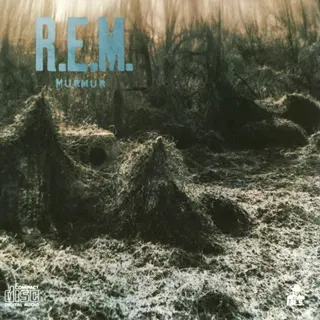
Put on
R.E.M. - Murmur. Don't try to decipher the lyrics; the band didn't want you to.
R.E.M., Murmur (1983)
Assembled from the tree: every genre Indie pop / twee descends from, in order. Indie pop / twee has no subgenres, so the last step is the genre that rates closest to it by sound.